
Forty‑two interviews. Hundreds of résumé sends. A marathon of “we’ve decided to move forward with other candidates.”
And then — weeks later — she shocked herself and her company. She quit. Today’s job market is brutal, yes. But it’s also…weird. On one side, candidates in many industries and roles are stuck in near record-long unemployment stretches. On the other, new‑hire retention is collapsing: data shows 15% of people who started a job in 2025 were gone within 90 days — up from just 6% the year before.
The Clarity Shortage + Hiring and Assessment
It’s not a motivation problem — it’s a mismatch problem. And here’s the kicker:
we’re speeding up hiring cycles to ‘get talent in the door’ but skipping the clarity work:
- the role definition
- the competencies
- the cultural expectations
- and the structured assessments that ensure true fit
But it’s worth saying differently: if you hire fast but not clearly, you’re building a revolving door.
Once people get through those first 90 days, the story flips—first‑year turnover drops dramatically (to as low as 12 percent using 2025 data).
Retention is possible. We just struggle to create the conditions for it.
Realistic Strategies for Early Employee Retention and Engagement
.png?width=768&height=576&name=Four%20Part%20Diagrams%20-%20blogs%20and%20things%20(1).png)
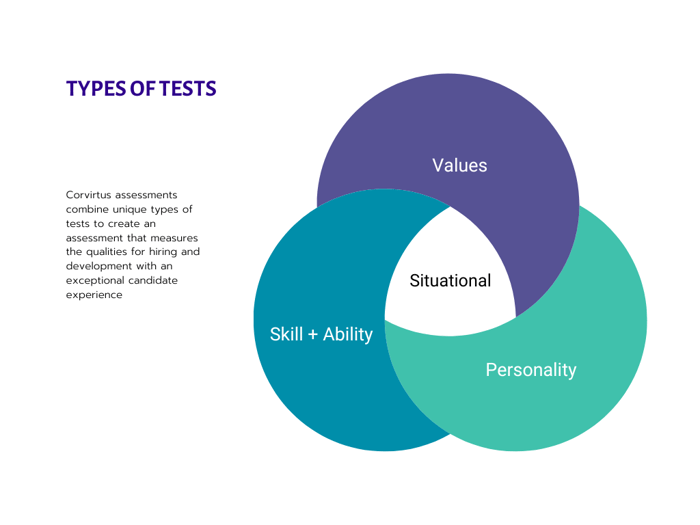
1. Set expectations with radical clarity and evidence-based hiring assessments.
2. Communicate—early, often, honestly.
When strategies shift, bring new hires into the conversation, not just along for the ride (remember, you did hire them for their skill, ability, and potential). Silence invites interpretation, and interpretation rarely goes the company’s way. Cross-industry research finds that organizations with meaningful, frequent, and expected communication practices are about four times more likely to financially outperform competitors.
For new hires, this doesn’t require glossy town halls—it requires simple, predictable rhythms. Give every new team member a standing one‑on‑one with their manager during the first 90 days, even if it’s just 15 minutes before or after a shift, focused on three questions:
-
What’s going well?
-
What’s unclear?
-
What do you need from me?
Use pre‑shift huddles (or similar moments that work with your operations) and weekly updates to connect the dots between “here’s what’s changing” and “here’s what this means for your role this week.”
Equip managers with short talking points or scripts so they can deliver consistent messages across departments and locations, and make it clear who owns which pieces of communication—so questions don’t disappear into the void. Finally, close the loop by circling back on concerns raised, even if the answer is “not yet.” Consistent, transparent follow‑through is what turns communication from noise into trust.
3. Connect the experience with the promise.

4. Make the first 90 days sacred - and assess the new hire experience.
- weekly check‑ins
- with a real agenda
- role‑specific coaching
- clarity on how to win
- and real opportunities to contribute fast
Your job is to make that answer easy. The manager who quit after weeks? The story isn’t that unusual.

It’s a signal of how much work today’s workforce needs around clarity, connection, and culture.
And the companies willing to do that work — really do it — are the ones who will keep their people, even in the weirdest talent market we’ve ever seen.