There is no shortage of applicant tracking systems. Workforces are increasingly diverse and roles more specialized, which means we rely on a wide range of tools. The technology that creates a standout candidate experience for high-volume restaurant hiring is often very different from what’s needed to hire skilled laboratory technicians. Yet across applicant tracking systems, hiring assessments, and candidate engagement tools, the goal remains the same: deliver a strong, consistent candidate experience that builds applicant flow while powering confident, effective hiring decisions.
Checkout our webinar on maximizing assessments with your ATS.
Unanswered Questions in the Hiring Process?
Basic applicant tracking systems typically support online applications, automated communication with candidates and hiring managers, interview scheduling, and tracking of each stage in the hiring process. Many current platforms also leverage artificial intelligence to read and organize resumes and candidate records, generate task lists, and power candidate chatbots. Job applications can be configured with screening or knock-out questions to quickly remove candidates who do not meet minimum requirements (for example, experience or pay expectations), and automatic scoring creates additional time savings for hiring managers and recruiters. That’s a strong foundation, but it still leaves important questions unanswered. Beyond minimum qualifications, what else are hiring managers looking for?
A resume, while it does provide factual data about work history and education, can really only tell you so much about a person. With candidate use of AI our ability to screen for ability and skill is obscured — and we're not even talking about soft skills, leadership or the potential to contribute to our culture. They may have the work experience you are looking for, but what about everything else it takes to perform successfully on the job?

Applicant tracking systems create a good challenge: they make it easier to apply and greatly improve the candidate experience, which in turn increases your applicant flow. The question becomes how to efficiently sort, prioritize, and identify the candidates with the greatest potential. Validated hiring assessments provide that missing capability. They give you a reliable way to quickly pinpoint and prioritize top candidates, improving the efficiency of your hiring process, strengthening job and culture fit, and ultimately driving performance.
What should you consider when choosing a hiring assessment partner? Check out our editable Excel checklist you can use.
Including a hiring assessment to measure a candidate’s potential as it relates to success on the job, will help identify higher quality candidates than resumes alone. When used early in the hiring process, we’re equipped with relevant, accurate, and job-related information to support our decision-making for the rest of the process. Instead of relying solely on what candidates choose to highlight on their resumes—or what may have been generated or polished by AI—we gain an objective view of how they think, solve problems, interact with others, and align with our culture and performance expectations.
Beginning with a clear and strong foundation is the first step. Learn more about the value of competencies for performance, culture, and beyond.
With this insight, we can more confidently determine which candidates are likely to learn quickly, handle the pace and demands of the role, and contribute positively to the team and guest experience. Assessments help us differentiate between candidates with similar work histories, prioritize who to move forward, and tailor interviews to focus on the areas that matter most. We’re not only building a connection with higher-potential candidates, we’re doing so earlier and more intentionally—demonstrating that we value fairness, clarity, and fit, and creating a more engaging, transparent experience for every applicant.

Applicant tracking systems will certainly improve time-to-fill, reduce recruiting costs, and save managers time. They provide structure, consistency, and visibility across every stage of the hiring process. However, if you truly want to identify the best candidates in the least amount of time, adding a validated hiring assessment to your process provides a much bigger advantage. Assessments allow you to move beyond what’s on a resume and understand how candidates think, learn, problem-solve, and show up for your guests and team.
Want to know what applicant tracking systems connect with Corvirtus assessments (in addition to our on-demand assessments platform)? Learn more about our partners.
In addition, well-designed assessments can improve retention, individual and team performance, customer satisfaction, quality, and sales. By selecting candidates who are more likely to thrive in your unique culture and in the realities of your restaurants, you reduce early turnover, create more consistent experiences for guests, and build teams that are better equipped to hit operational and financial targets. Over time, the data from assessments also gives you insight into which profiles are most successful, helping you refine your hiring strategy and workforce planning.
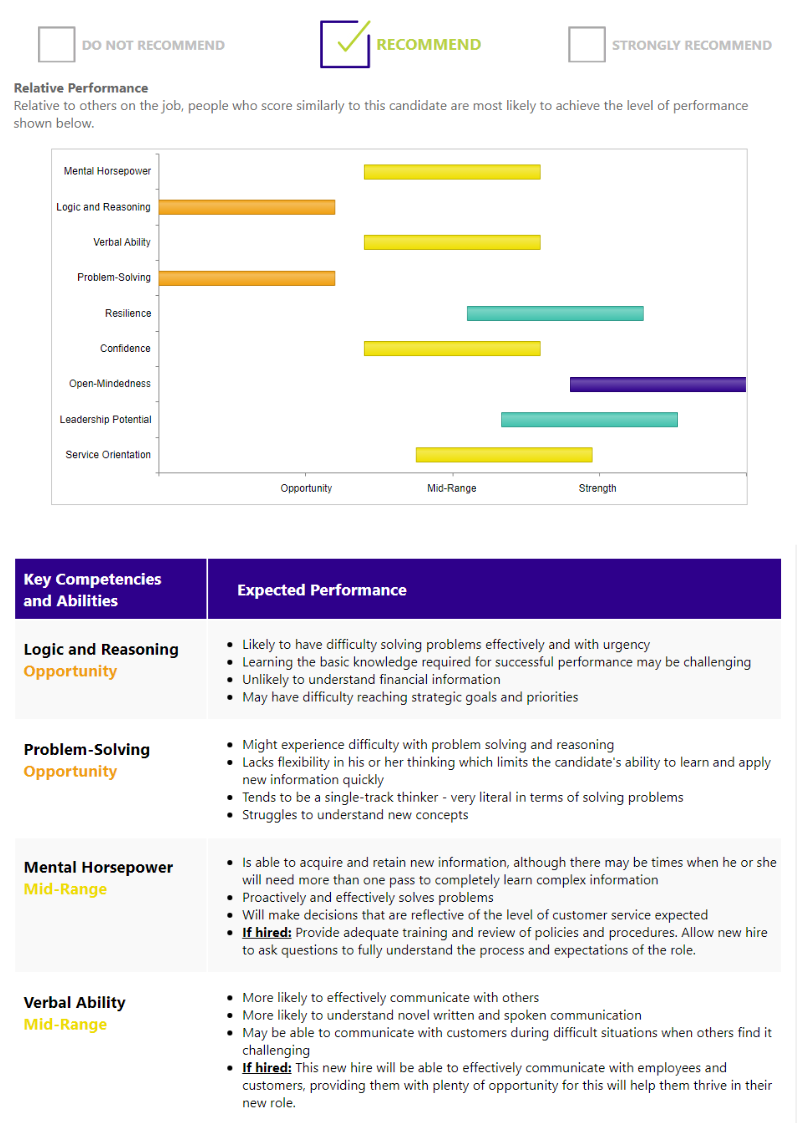
If you’re thinking about your current applicant tracking system and HR tech, it’s helpful to consider how assessments fit into that ecosystem—ideally integrating seamlessly so they don’t add complexity for managers or candidates. But keep in mind that not all assessment providers are created equal. The science behind the tools, the candidate experience they create, and how well they align with your brand and legal requirements all matter. Realizing the benefits of assessments is the first lesson; selecting the right partner and solution is the second. Look for evidence-based, validated tools, clear reporting that hiring managers can act on quickly, and support to ensure your process is fair, inclusive, and defensible.
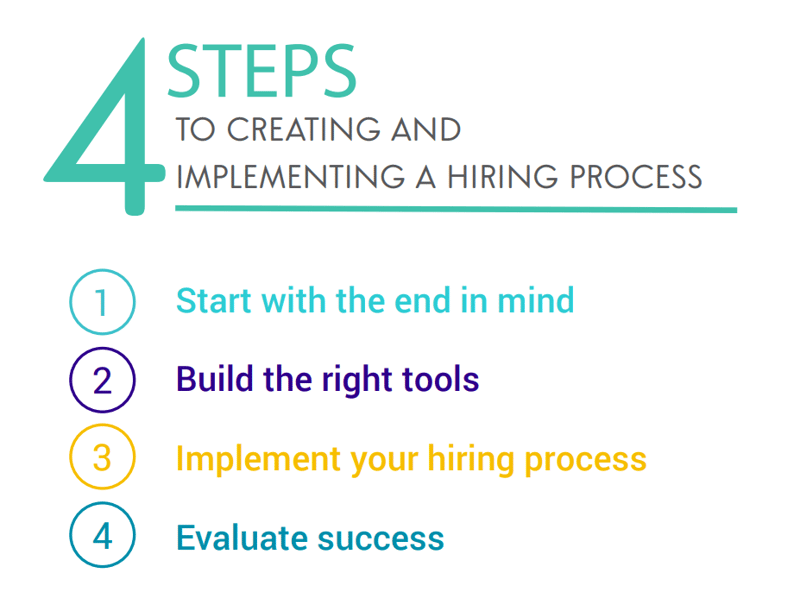
To explore what a fully integrated, assessment-informed hiring process can look like—from sourcing through onboarding—learn how to bring your tools together into a seamless and effective experience by reading our eBook, How to Build an Effective Hiring Process.