
Skills-based hiring increases our reach to talent and builds a stronger, and more inclusive, candidate experience. But performance — and your culture — rely on more than raw skill. If we think about the moments that matter most while technical skill was key, it was the ability to apply that skill in ways that lived and strengthened your culture that made the difference. This is often talked about as culture-fit (despite the cringe feeling that term may give) and remains the hardest to assess and the most expensive to get wrong.
The need for both technical competence and connection to culture has created a new challenge: prioritizing culture while ensuring skill-based competence. While finding and securing top technical talent is key, we'll fall short of our vision if we ignore the interpersonal and cultural competencies that support performance, retention, and team connection.
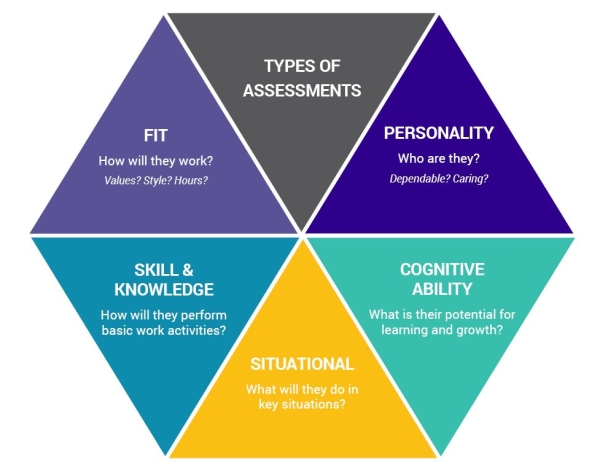
Types of hiring assessments for both technical skill competence and culture-fit.
Front-running skills-focused organizations are those who can spot candidates with dazzling competencies and the ability to flourish in your unique culture. In other words, you need hiring assessment tools sharp enough to cut through surface-level skills and reveal core qualities like:
Cognitive Agility: How quickly can candidates learn new skills as technology evolves? How will they manage change and evolving ways of working? Will training move on schedule?
Fit: Do their work style preferences and values support that of the organization?
Personality: Can they maintain performance under the specific pressures your industry faces (resilience)? Will they proactively seek out ways to support others and the team (team orientation)? How well do they handle the ambiguity and change inherent in modern work environments (adaptability)?
Hiring Assessment Tools for Skill + Culture
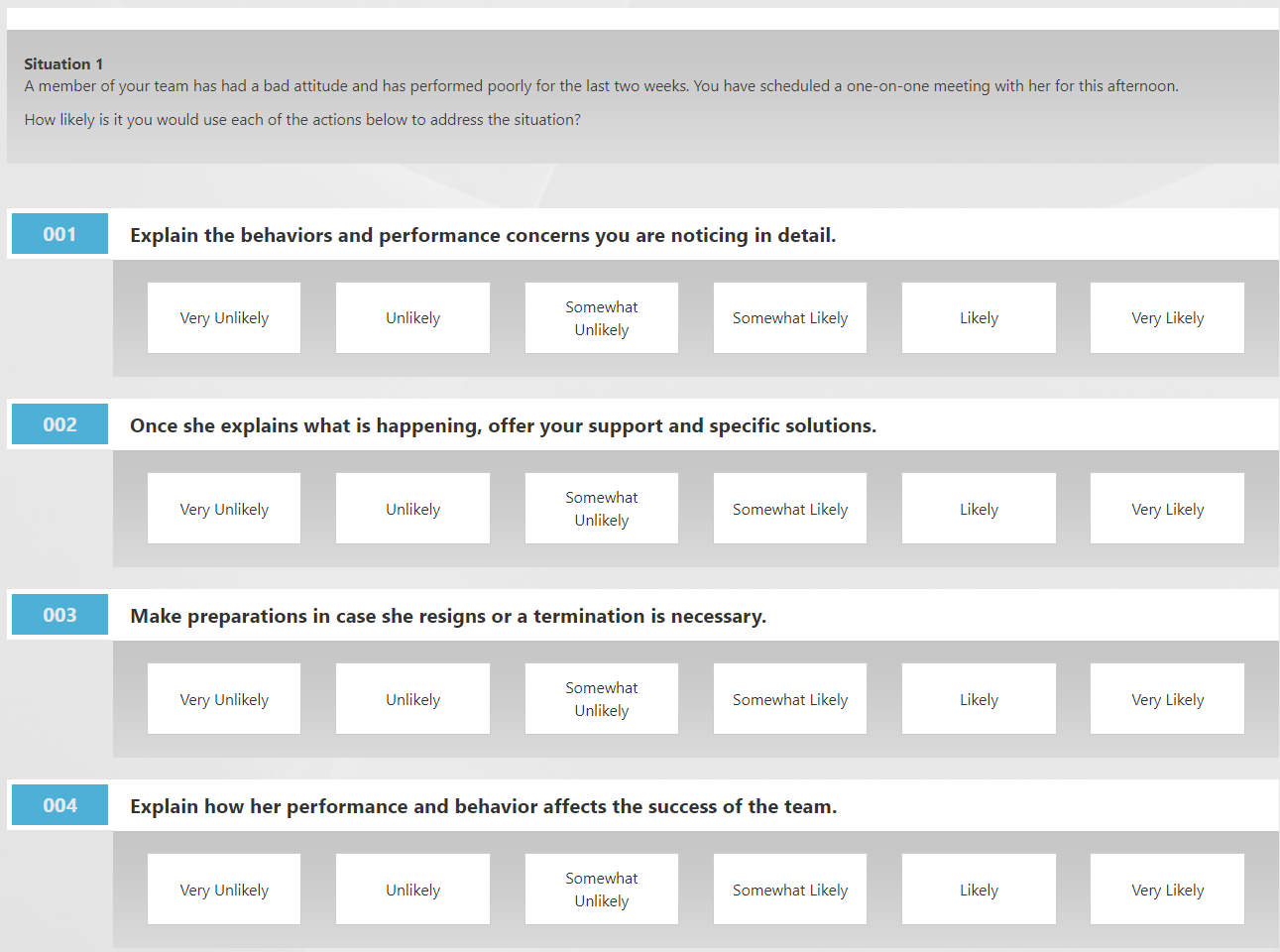
By focusing on skills, as opposed to degrees, experience, or educational credentials, we've created a more inclusive hiring process. Candidate screening tools like pre-hire assessments, situational judgement tests, objective reviews of skills, and intentionally built structured interviews open doors and build stronger applicant pools.
But to what extent can you teach or coach for technical skill? Building strength in technical skill can be taught, but values, interests, and our natural ways of working tend to endure. The qualities that support your culture and how you deliver your intended employee and customer experiences are harder to develop. These could include qualities like resilience, flexibility, eagerness to grow, and passion for serving others. Consider the following common challenges -
- A technically talented new employee struggles to communicate causing delays, rework, and a worse customer experience.
- A head of marketing lacks core skills in teaching and coaching, changes goal posts frequently, and struggles to maintain composure when results fall short of projected targets.
Why Culture-First Assessment Matters
About three quarters of working adults have left a job because of culture-fit. Even as job hopping slowed in the last five years about one in five employees left a job because of the culture. Deciding to include culture in hiring and promotion decisions isn't enough. It's too easy to move from that to relying to heavily on gut-instinct, likeability, and generalizations. That's how hiring for culture-fit earns a bad name. But why not analyze cultural competencies as critically as technical competence? Let us share our process for building recruiting and hiring assessment processes with assessments that support both.
Culture-First Hiring with Assessments
Quantifying your Culture: We expect evidence and quantified arguments for most significant business decisions and processes. What's the ROI? But then we leave culture to...vibes?
When partnering with organizations to develop a robust hiring process, we begin by collecting objective, role-relevant data. Whether focusing on roles such as call center specialists within healthcare or restaurant managers in hospitality, our approach is guided by fundamental questions:
- Before you can assess for cultural fit, you need clear understanding of your values and beliefs. If these are defined, what behaviors exemplify each for the positions we're hiring for?
- What behaviors consistently lead to under performance or disengagement?
- Is turnover—especially at particular points in tenure—a concern? What circumstances typically surround these attrition ‘hot spots’?
- Is turnover—especially at particular points in tenure—a concern? What circumstances typically surround these attrition ‘hot spots’?
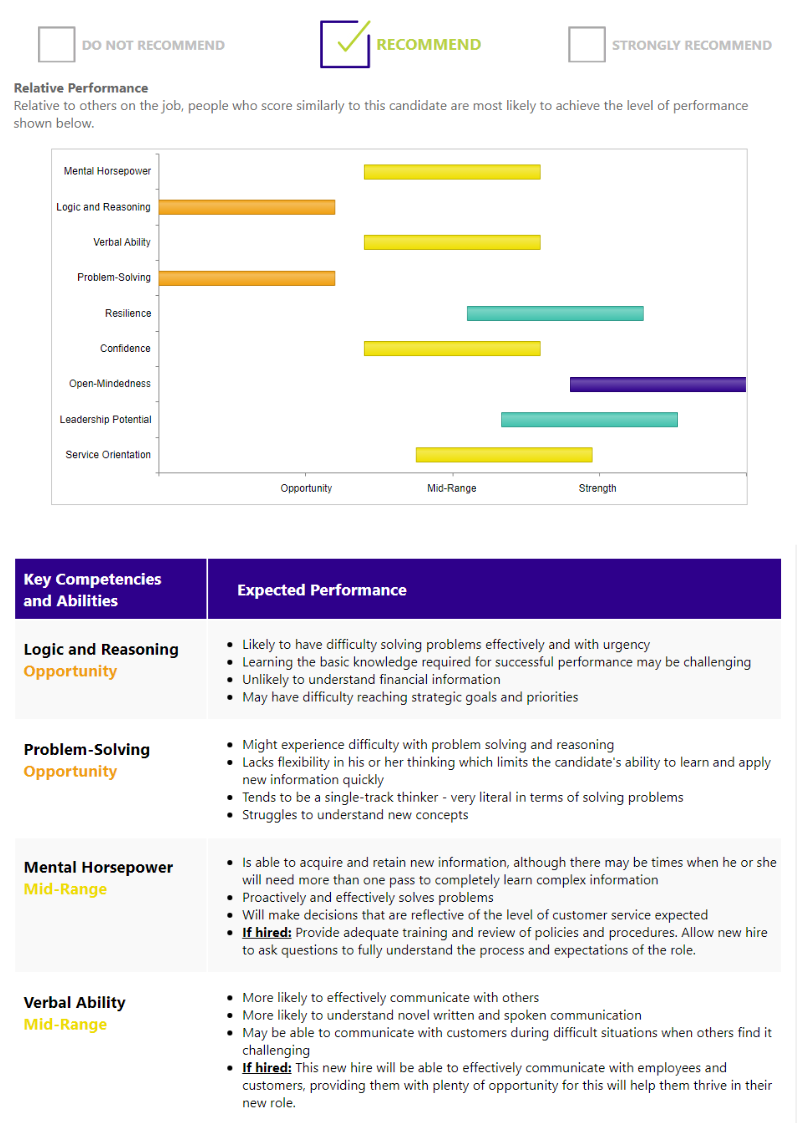
Relevance and Resonance: Quantifying your culture gives us insight into the behaviors, qualities, and traits that drive measurable performance. This process illuminates both the technical skills required and the distinct attributes essential for long-term success, equipping us to identify which capabilities to assess—and which validated tools will best support effective selection and development. However, data alone is not enough. The real value lies in thoughtful application. The findings inform:
- The specific competencies and traits featured in your customized report, reflecting your organization’s language and operational context.
- Role-relevant, candidate-specific interview questions included with each assessment result.
- Actionable recommendations to support new hire performance and engagement during the critical first months, grounded in each individual’s assessment responses.
Continuous Optimization: As you start using the assessment tools your assessment strategy should evolve in step. From our first step we know what results define success and regularly gather data on performance, retention, stakeholder engagement, and metrics key to your organization and link them with assessment scores. We also regularly share metrics key to assessment success like:
- Completion rates
- Pass rates and score distributions
- Time to complete
- Equal Employment Opportunity data and its connection to the assessment results
Enduring Partnership: Rather than treating assessments like a drive-through order—transactional, quick, and easily forgotten, we strive to be an extension of your talent strategy. We thrive on opportunities to collaborate and navigate ever evolving talent challenges and further strengthen how you define success and reach it.
The ROI of Getting Culture Right
The financial impact of culture-first hiring extends far beyond avoiding bad hires. Our case studies and ongoing performance, engagement and retention research shows organizations with a strong culture report:
- 30% lower turnover rate
- 25% higher performance scores
- 40% better customer satisfaction
- Significantly faster time-to-productivity for new hires
More importantly, the right psychological fit creates a multiplicative effect. New hires with the potential to strengthen your culture become force multipliers, elevating team performance and contributing to the psychological safety required for trust and the innovation and engagement that flow from it.

The Value of a Culture-First Hiring Assessment Strategy
Integrate, Don’t Replace: Think of skills and psychological assessment as the dynamic duo of hiring. Both are essential. Predicting performance is about the interplay between technical chops and what drives us.
Invest in Expertise: Off-the-shelf assessments deliver off-the-shelf results. Predictive insight, on the other hand, is the product of deliberate strategy; no generic shortcuts available.
Measure and Refine: Diligently monitor your data and leverage evidence-based insights to inform your decisions. Embracing a mindset of continuous improvement is core to building a resilient and adaptable hiring process.
Understanding the Workforce with Hiring Assessment Tools
The future truly belongs to organizations that not only open doors for skills-based talent, but also honor the profound impact of culture-first hiring. This journey isn’t about deciding between technical greatness and cultural alignment, but about championing candidates who bring both excellence and shared values to your team.
Achieving this balance asks us to move beyond transactional vendor relationships. It calls for genuine partnership. Support by partners who are committed to understanding what makes your organization remarkable. Through our collaboration you gain the deep insight and clarity needed to build a scalable process hiring decisions that nurture both performance and belonging.
As the competition for talent intensifies and the costs of missteps rise, those who embrace culture-first hiring in a skills-driven world will build their intended reputation across stakeholders. It’s not simply a question of whether you can invest in robust, evidence-based hiring assessment tools, but about recognizing that investing in people who strengthen your culture is among the most significant you can make for your future.
Ready to elevate your hiring approach? Subscribe to our free newsletter and be the first to learn about new resources to identify candidates who not only meet your technical needs but also thrive within your unique culture.