Skills-Based Hiring: The Capability Data You’re Missing
They funded a skills-based hiring strategy, but nothing changed.
This story may sound familiar. A company announces a strategy built around what people can actually do rather than the credentials they've accumulated. The board nods. It gets a budget, a timeline, a project team.
Six months later, promotions still run on tenure. Hiring still runs on resumes. The dashboard looks identical to the one from the offsite.
The strategy wasn't wrong. The whole industry has made the case. What the organization never got handed was the ingredient that makes it operational: reliable data about employee capabilities, proficiency levels, and growth potential. Without that foundation, the vision remains a slide deck instead of a system.
Table of Contents
- Capability Determines the Customer Experience on the Frontline
- Influence: The Skill That Makes Expertise Land
- Leadership: A Measured, Buildable System
- The Pattern — and Where to Start
- Frequently Asked Questions
- Success Stories: How Corvirtus Transforms Talent Management Across Industries
- Key Takeaways
- Conclusion
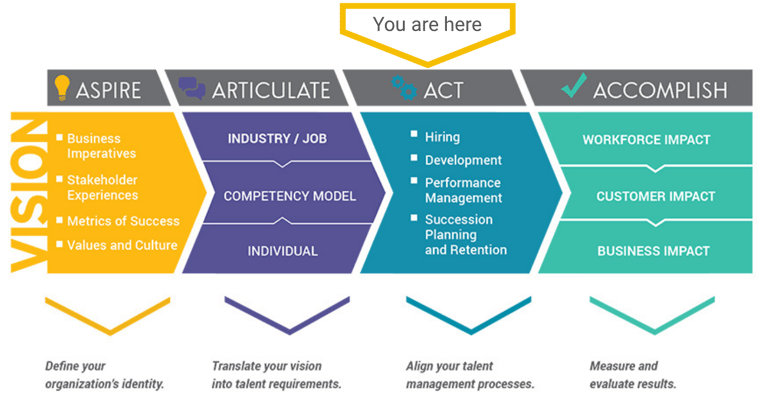
Capability data is meant to move across the entire talent system. In the 4A Model, we map that system as Aspire, Articulate, Act, and Accomplish. Hiring sits in the Act phase—the point of entry into the organization.
But the challenge doesn't stop at hiring. When organizations lack a clear, reliable view of employee capabilities, the effects show up everywhere talent decisions are made. The same gap that makes hiring harder also affects how people are developed and how future leaders are identified and advanced.
Capability Determines the Customer Experience on the Frontline
"We say 'skills-first' but still hire on resumes"

This is the 'hiring' square on our 4A model – the point of selection, where the capability data either exists or it doesn’t.
The frontline is the customer experience. The person closest to the work makes the highest-consequence calls under the most pressure – the general manager reading the Friday rush, the charge nurse deciding what to escalate at two in the morning.
Credentials don’t predict those calls. A resume lists where someone has been, not how they think when a shift goes sideways. The capabilities that decide the moment – judgment, grit, accountability, recovery after a service failure – are signal-rich and, with the right tools, measurable.
The failure is rarely negligence. Standard systems capture credentials and tenure because that is what resumes and HR records hold. They were never built to capture capability. The gap is structural.
Influence: The Skill That Makes Expertise Land
Our best people stall the moment their title stops helping them - why?

Hiring is only the first decision. The next one is development. This begins with the leaders at the center of your business: the frontline.
Frontline leaders are the people who train, coordinate, and steady the operation day to day, and hiring for capability only starts the job. More work now runs across functions and laterally across teams. A title carries less authority on its own than it once did.
In that environment, one capability determines whether expertise turns into impact: influence. Not charisma. Not seniority. Influence in observable, buildable terms: the ability to move people who do not report to you.
This is where the same systems gap shows up again, one level higher. Organizations often promote on past performance rather than leadership readiness, and the cost comes three ways: they lose a strong individual contributor, gain a struggling manager, and place more strain on the team.
Background Photo by Vitaly Gariev on Unsplash
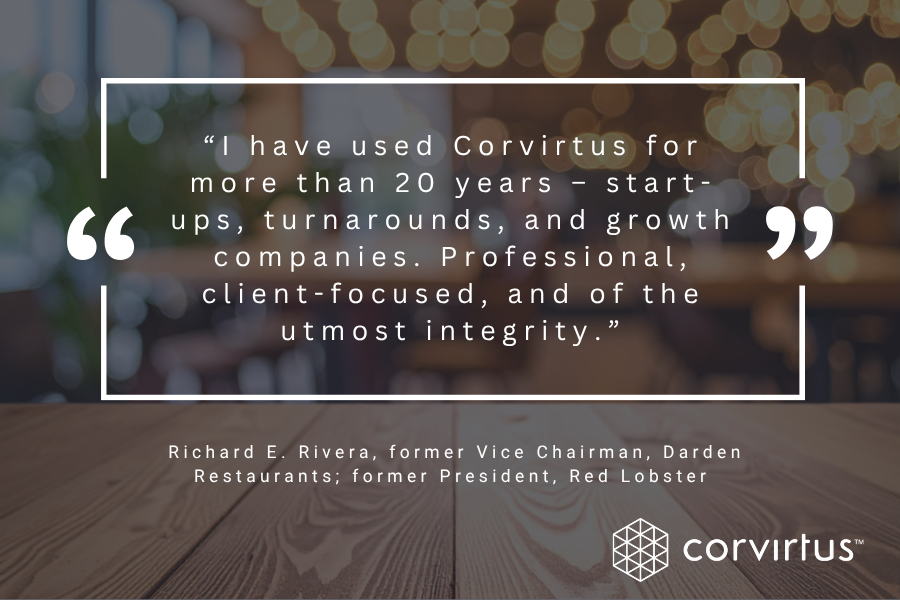
“At PDQ, management’s ability to drive profitability increased once a standardized hiring process was in place.”
Leadership: A Measured, Buildable System
“Our best performer became our weakest manager”
This is where Performance Management and Succession. matter. Leadership needs to be measured before the title and developed after it.
It is one of the most common promotion stories in business, and one of the most expensive. The capabilities that make someone a strong individual contributor are not the same capabilities required to lead others well.

Leadership is its own capability set, not a personality trait and not a reward for years served. Treat it as either, and a strong individual contributor can end up in a role they were never prepared to carry.
Two implications follow. Leadership can be measured before the promotion, based on readiness rather than availability. And it can be developed after the promotion through ongoing coaching and feedback, not a one-time workshop. The same capability data that informs the hiring decision can inform development and succession, so the systems reinforce each other instead of operating in silos.
Photo by Christina @ wocintechchat.com M on Unsplash
“Nearly half of new leaders fail within their first 18 months.”
McKinsey, via Forbes (2025)
The Pattern – And Where to Start
The habit shared by every organization that makes this work
The companies that close the gap share one habit: they measure capability once and let the data travel – from hiring into development, performance, and succession. The same map, all the way across. That is when the last column starts to move: workforce, customer, and business impact.

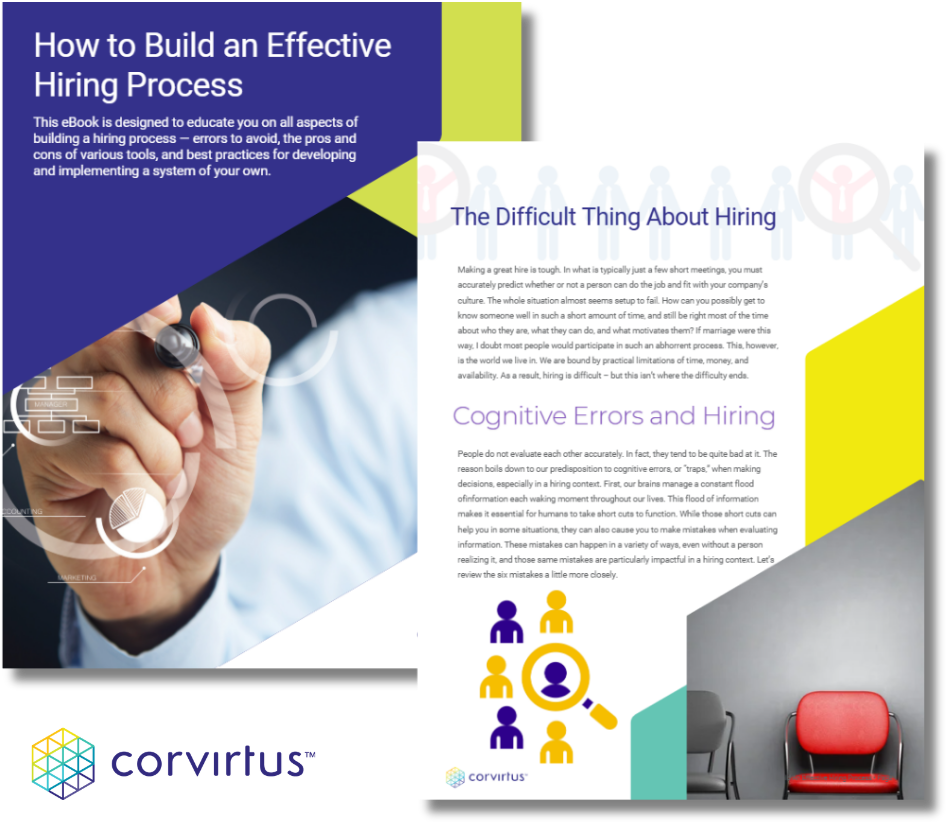
How to Build an Effective Hiring Process
This eBook is designed to educate you on all aspects of building a hiring process — errors to avoid, the pros and cons of various tools, and best practices for developing and implementing a system of your own.
Frequently asked questions
1. What is skills-based hiring?
What is skills-based hiring? Skills-based hiring selects people on demonstrated capabilities – judgment, problem-solving, influence, and role-specific skills – rather than on credentials, titles, or tenure. It uses validated assessments and structured interviews to measure those capabilities before an offer.
2. What is a skills-first talent strategy, and how does it relate to skills-based hiring?
What is a skills-first talent strategy, and how does it relate to skills-based hiring? A skills-first talent strategy is the organization-wide commitment to make capability the basis for hiring, developing, and promoting people. Skills-based hiring is the entry point – the strategy applied at the moment of selection.
3. What is a skills-based organization?
What is a skills-based organization? A skills-based organization uses capability data, not job history, as the primary currency for workforce decisions. It hires, deploys, develops, and promotes based on what people can do and learn.
4. How is a capability different from a skill?
How is a capability different from a skill? A skill is a specific, often technical ability. A capability is broader and more durable – judgment, accountability, or influence – and it shapes how someone applies skills under real conditions. Capabilities tend to predict frontline performance better than credentials do.
5. How do you measure leadership readiness before promoting someone?
How do you measure leadership readiness before promoting someone? You assess the distinct skills leadership requires – coaching, influence, decision-making under ambiguity – separately from the skills that made someone a strong individual contributor. Validated assessments and structured evaluation surface readiness before the title, not after.
6. What is a hiring assessment, and how is it different from a personality test?
What is a hiring assessment, and how is it different from a personality test? A hiring assessment is a validated instrument that predicts job performance by measuring job-relevant capabilities. A personality test describes traits without necessarily linking them to outcomes. The difference is validation – evidence that scores actually relate to performance.
7. Where should an organization start with skills-based hiring?
Where should an organization start with skills-based hiring? Start where the consequences are highest and the data is thinnest: frontline selection. Establish capability measurement at the point of hire, then extend the same data into development and succession. Take the Skills-First Readiness Check →
Key Takeaways
- The strategy was never the problem. Most skills-first initiatives stall because no one ever built the capability data they run on. The dashboard doesn’t change because the data layer was never handed over.
- It looks like three problems. It’s one. The same missing data surfaces at hiring, at influence, and at leadership — one root cause showing up at three altitudes, not three separate fixes.
- The systems aren’t failing — they were never built for this. Resumes and HR records hold credentials and tenure. Judgment, grit, and service recovery don’t fit the form. The gap is structural, not negligence.
- On the frontline, capability is what the customer feels. A resume lists where someone has been. It can’t predict how they’ll think when the shift goes sideways — and that moment is the customer experience.
- Measure once, let the data travel. The leverage isn’t a better hiring test. It’s reusing the same capability data across development and succession, so the systems reinforce each other instead of working in silos.
- Leadership readiness is measurable before the title. You can stop promoting your strongest performer and hoping. Readiness is a signal you can read in advance — not a bet you settle after the fact.
Conclusion
The dashboard that didn’t change after the offsite didn’t change for a reason. The strategy was sound. What it never received was its data layer — the capability measurement that turns intent into decisions.
That layer is buildable. And it’s where the customer experience is actually decided: in who gets hired for the Friday rush, who’s ready to lead the team, and who recovers the guest after something goes wrong.
Start where the stakes are highest and the data is thinnest — the frontline. Measure capability at the point of hire, then let it travel across development and succession. That’s where the next quarter’s numbers actually move.


.png)